
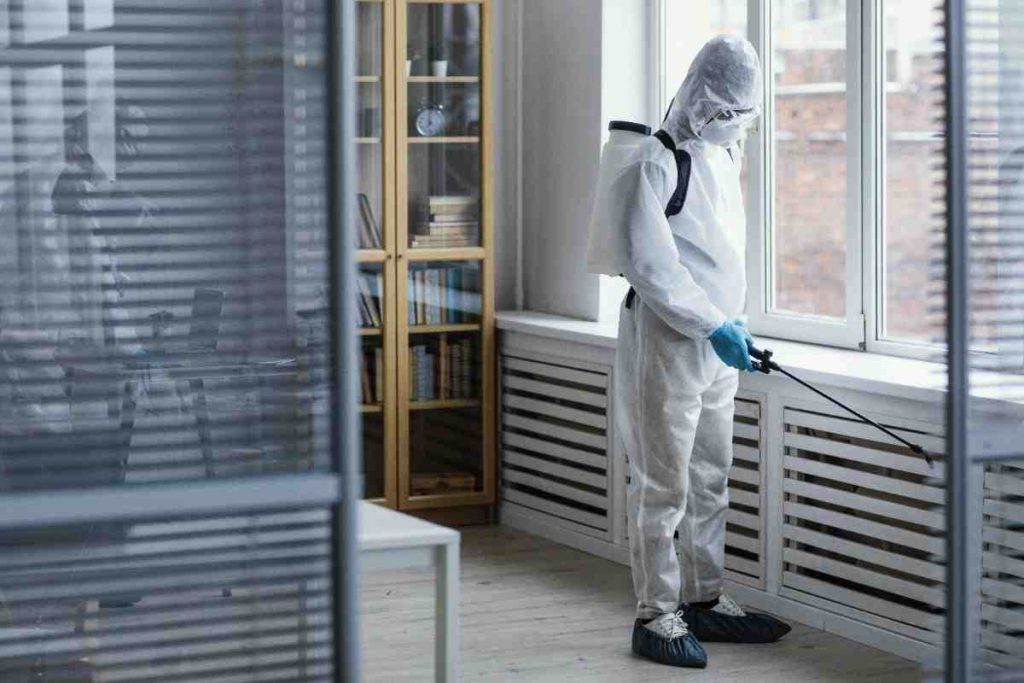
In the highly regulated business environment, it is the responsibility of the property management and the business owners to be proactive in the reduction of business risks. One of the vital preventive measures is the adoption of a structured approach to commercial pest control services with the aim of protecting the properties from contamination, structural damage, and regulatory issues. Pest management is no longer considered a reactive service; rather, it is considered a vital component of commercial properties’ risk prevention.
The commercial properties that are usually affected by pest management issues are restaurants, healthcare centers, hotels, warehouses, and office buildings. Federal, state, and local authorities regulate these properties and require them to maintain a clean and safe environment without any chances of pest infestations.
Table of Contents
Regulatory Compliance and Health Protection
On the other hand, the regulations established by the public health are meant to protect the consumer, employee, and the general public from the dangers associated with infestation. For example, rodents, cockroaches, flies, and other pests have the capability to transfer bacteria, contaminate food products, destroy food items, and even cause allergic reactions. For a regulated industry, any signs of infestation, no matter how small they are, may require corrective actions.
The pest prevention programs are intended for the companies to fulfill the requirement for the necessity to comply with the law through inspection, monitoring, treatment, and making recommendations for corrective actions. This is a way to prove the commitment of the company towards inspection and auditing. Keeping a record of the service provided is a way to ensure transparency and commitment to health and safety compliance.
The preventive strategy for the commercial properties is to be in compliance with the current standards that emphasize the importance of the involvement of the company in the prevention and control of the pest problem.
Financial and Operational Risk Reduction
Apart from that, there are other implications that come as a result of the infestation that is caused by the pests on one’s financial status. For example, pests such as termites and other wood-destroying insects have major implications for the building. For example, rodents have the ability to cause damage to wiring and other equipment in the building, which could end up costing a lot of money to replace. For example, in the hospitality industry, complaints from customers regarding infestation have major implications.
The term “preventive pest management” is used to describe the process that involves identifying weaknesses to ensure that problems are not allowed to develop to become major issues. This is done through closing the openings, management of moisture, clean habits, and critical areas. This comprehensive method of pest management has major implications for one’s financial status as well as one’s image and customer loyalty. This is because, through investing in a well-structured prevention process, a business is able to eliminate costly and unplanned expenditures.
Industry-Specific Risk Management
All commercial industries have different pest management issues. For the warehouse industry, rodents may be a problem because of the frequency of shipments and open loading docks. For the food service industry, flies and cockroaches around the food preparation areas need to be controlled. For the healthcare industry, the pest management process needs to be strict to protect the vulnerable population from diseases.
The effective management of pests is different from one working environment to another. The differences in inspections, treatment plans, and monitoring systems also vary from one industry to another
Documentation and Audit Preparedness
Comprehensive records are one of the main features of the defense. Inspection records, treatment records, monitoring records, and follow-up records are used to demonstrate consistent preventive measures. Comprehensive records improve the facility’s compliance profile and readiness for scheduled and unscheduled inspections.
Comprehensive records assist the management of the property to establish trends for a given period. This helps the management to strategize and make adjustments to improve the risk prevention measures.
Long-Term Property Preservation
Pest infestation, if not addressed, can result in the gradual degradation of the value of the entire property. For example, the degradation of the building structure, the contamination of the inventory, and the degradation of the building infrastructure can result in downtime. This can be controlled through inspection.
The integration of the master plan for the maintenance of the entire facility can result in the continuity of the business operations and the protection of the business investments.
Conclusion
This extends beyond the removal of the actual pest control issues. Instead, it refers to compliance, risk minimization, documentation, and the preservation of assets. Businesses that operate in commercial settings can benefit from the implementation of preventive measures to ensure a safe environment. This can be achieved through the implementation of effective partnerships with service providers such as Brownco Pest Control.